

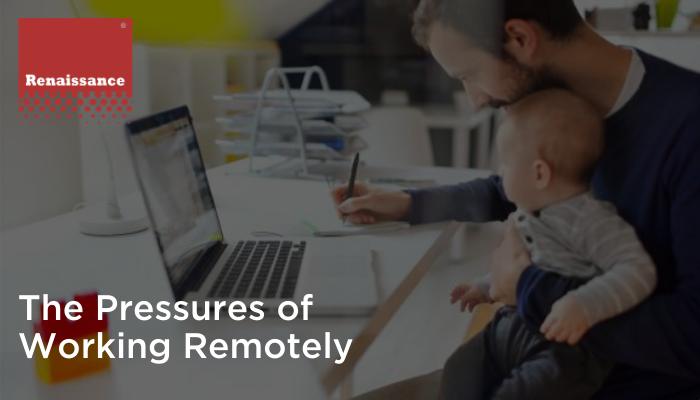
The Pressures of Working Remotely
A whole industry has sprung up over the last month to publish articles about the pressures associated with working from home during the social distancing lockdown. Many of the pieces push a particular worldview on how remote teams should be managed. Opinions differ widely, but some themes are emerging. There is room for at least one more article in this space, so here are some observations and thoughts.
Set Realistic Goals
Everyone needs to accept that you can't just digitally replicate the dynamic that existed within an office. Working in physical isolation will affect different people in different ways. Some will take to it like the proverbial duck to water (and may not want to revert to office work when the lockdown is lifted - a problem for the future), while others will find it stressful in various ways.
Some organisations are trying to digitally keep track of staff via presence indicators in tools like Microsoft Teams. Or in extreme cases are deploying software to remote workers PC's to monitor them via the webcam, and to take periodic screenshots to see what is on their screen. This seems like a terrible idea. Most people want to work and do their job to the best of their ability. Digitally monitoring and watching workers sends a signal that the staff are not trusted. Trust is a two-way street, and people who are trusted are more likely to feel empowered and will want to do their bit to help their team. A way to do this is to set realistic goals and expectations for people and then to leave them alone to deliver. The vast majority of people will work better under this type of regime. Anyone who doesn't perform can be dealt with as an exception using existing management procedures, rather than having a blanket surveillance policy. The latter also opens up all kinds of issues related to privacy and might even be a way to encourage staff to look for other jobs.
Home Life Will Intervene
Anyone working from home with their family is going to have to deal with parenting issues during the time they are working. Expecting them to be at their computer all the time isn't realistic. As outlined above, setting realistic goals for staff and trusting them to deliver within their particular situation at home is probably the best approach. Most sensible managers will also realise that the goals set should not be at the same level as when people were working in the office. Productivity will be lower during the lockdown for many people.
Expecting staff to work longer hours in the evenings and at weekends to make up for lost productivity probably isn't a good idea either. This will likely lead to more stress and burnout over time.
Don't Overdo Video Meetings
Video meeting fatigue is now a thing. We've all been on video meetings and they do have a dynamic all of their own. One that is emotionally draining due to technological and social reasons. One theme that is emerging from current mass home working is not to overdo video meetings. Don't have a video call when some other method of information sharing or discussion would work just as well. For example, a phone call if between two people or an audio-only conference call for a small group.
In many cases asking someone for information in writing will be the best way to get it. A written response allows the person writing it to think, gather their thoughts, and structure the information in a way and at a time that suits them. Plus the recipients can read it at their leisure asynchronously rather than having to arrange to be in a meeting at a particular time.
Conclusion
Organisations that successfully implement working from home will be those that realise that they need to do new things, rather than replicate the office environment over the Internet. There are many resources now available to guide companies. Contact Renaissance to find out more.